For busy toddlers ages 12 to 24 months who never sit still on the living room rug, the high chair is your secret 'captive-audience' speech superpower! Because your child is seated face-to-face with you and highly motivated by favorite snacks, giving 2 crackers at a time (instead of a full bowl) creates 15+ natural chances to practice 'More, Open, Please, Cracker, Water, and All done!' Pair snack prep with Kid Speech AI: Play & Learn ($9.99/mo or $79.99/yr with a 7-day free trial on Google Play) to scan real fruits, cups, and spoons!
Why the High Chair Is the Best Place to Spark First Words
On the floor, a 16-month-old is busy climbing the couch or chasing the dog—making eye contact and mouth-watching tricky. In the high chair, your toddler is safely seated right at your eye level, and you hold the things they care about most: puffs, berries, crackers, and milk! By tweaking how you hand over snacks, you can turn a 5-minute snack into 20 joyful communication turns.
3 High-Chair Snack-Tray Word Games That Work Immediately
- 1. The 'Give 2, Keep the Bowl' Rule (Unlocks: More, Please, Cracker, Berry): Instead of putting 20 crackers on the tray at once (where your child has zero reason to talk), place just 2 crackers on the tray and keep the bowl in your hand. When they finish those two and look at you, hold a cracker near your mouth and say: "More! More cracker!"
- 2. The 'Two-Hand Choice' at Eye Level (Unlocks Specific Food Names): Hold a blueberry in your left hand and a banana slice in your right hand right near your cheeks so your toddler sees your eyes and lips: "Berry... or banana?" Whichever one they reach for or vocalize toward, name it clearly twice before handing it over!
- 3. Scan Today's Snack with 2-Second Live Camera Object Naming: Before slicing the apple, banana, or cheese block, let your toddler watch you hold the Kid Speech AI camera on the real fruit for 2 seconds so they hear the word spoken in 27 cheerful voices!
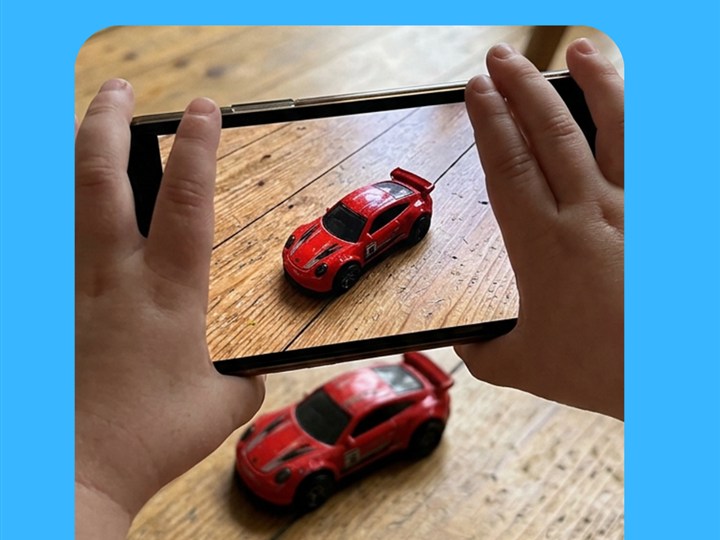
Scan your toddler's real cup, spoon, apple, or banana for 2 seconds right before snack time!
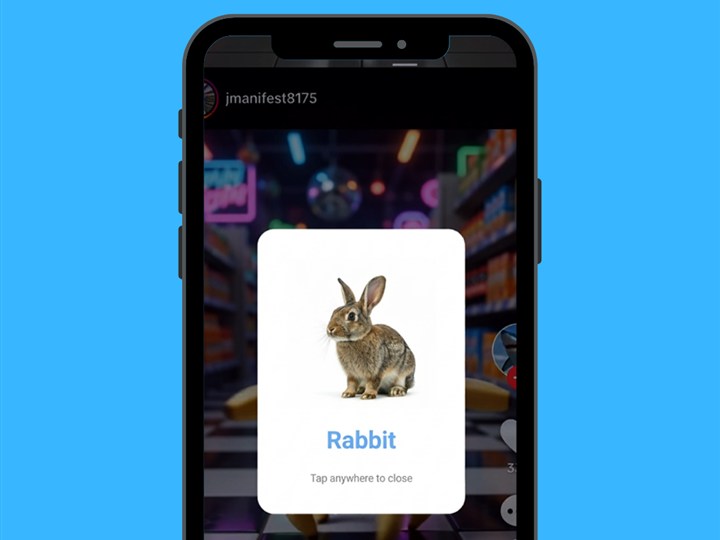
Reinforce mealtime nouns with crystal-clear 3-angle studio flashcards.
At-Home Vocabulary & Routine Comparison Guide
| High-Chair Moment | What Most Parents Do | The Speech-Boosting Tweak |
|---|---|---|
| Serving Snack | Put the whole portion on the tray at once | Give 2 small pieces at a time so your child requests 'More!' 10 times |
| Pouring Milk / Water | Fill the cup to the top in the kitchen | Pour just 2 sips at the table so they can ask for 'More water!' or 'Pour!' |
| Dropped Spoon ('Uh-oh!') | Pick it up silently right away | Pause, look down together, and say 'Uh-oh! Spoon down!' |
| End of Meal | Unbuckle and wipe hands without warning | Model 'All done!' (with the two-hand twist sign) and 'Wipe hands!' |
Frequently Asked Questions for Parents
Will holding back crackers frustrate my hungry toddler?
Never do this when your child is starving or overtired! Give them a few bites right away so the edge is off their hunger, then play the 'Give 2 Pieces' game for the second half of snack time—and respond within 3 seconds whenever they point, sign, or try a sound.
What if my toddler throws food off the high-chair tray on purpose?
Throwing food is often a toddler's way of saying 'I'm finished!' Before they throw the next piece, place a small 'All Done Bowl' in your hand and model: 'All done! Put in bowl!'
Do baby signs ('More', 'Milk', 'All done') delay spoken words at the table?
Never—research shows pairing a baby sign with the spoken word actually speeds up spoken language because it gives your toddler an immediate motor bridge while their mouth muscles catch up!
Turn Everyday Play & Screen Time Into Real Words!
Try all 6 interactive vocabulary modes free for 7 days on Google Play ($9.99/mo or $79.99/yr after—cancel anytime in one tap).
▶ Start 7-Day Free Trial on Google Play