The '-ING' verb ending ('eating, jumping, sleeping, washing, running') is the very first grammatical word ending toddlers learn between 19 and 28 months! Mastering '-ING' action words is what allows your child to answer 'What are you doing?' and build real sentences ('Doggy is running!'). Kid Speech AI: Play & Learn ($9.99/mo or $79.99/yr with a 7-day free trial on Google Play) makes '-ING' verbs effortless to learn through Pop-Up Action Videos, Live Action Narration, and 3D AR Exercise characters!
Why '-ING' Is the #1 Grammatical Milestone for 2-Year-Olds
In speech-language development (Brown's Stages of Language), the present-progressive -ING ending is the very first grammatical marker children acquire—even before plurals (-s) or past tense (-ed)! Why? Because toddlers live in the right-now present moment: they can watch someone jumping, drinking, or brushing right in front of their eyes.
3 Fun Ways to Practice '-ING' Action Words & 'What Doing?' Questions
- 1. Use Forced-Choice 'What Doing?' Questions First: If asking an open question like "What is the boy doing?" gets a blank stare, offer a silly two-choice option: "Is the puppy sleeping... or driving a bus?" Your child will laugh and shout, "Sleeping!"
- 2. Turn On Live Action Narration & Pop-Up Video Flashcards: Static paper pictures can't show motion well—a picture of a boy mid-jump just looks like a boy floating! Kid Speech AI's Pop-Up Video Flashcards and Live Action Narration show real movement while speaking the exact -ING sentence out loud.
- 3. Play the 'Copy the 3D AR Character' Movement Game: Launch 3D AR Exercise Mode in Kid Speech AI and narrate what the character and your child are doing together: "Look! He is stretching! Now we are hopping and dancing!"
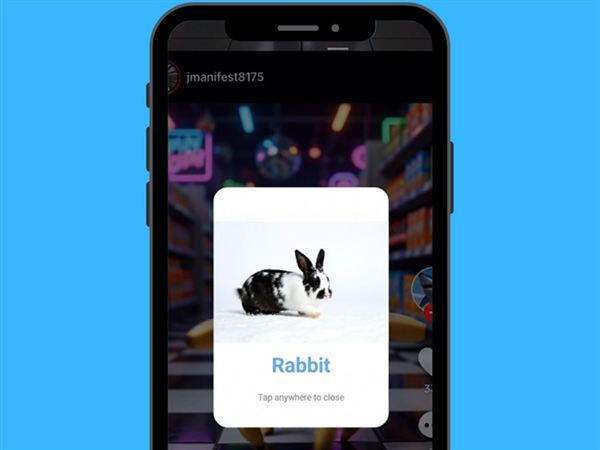
Real-motion Pop-Up Video Flashcards make '-ING' action words ('running, jumping, eating') crystal clear!
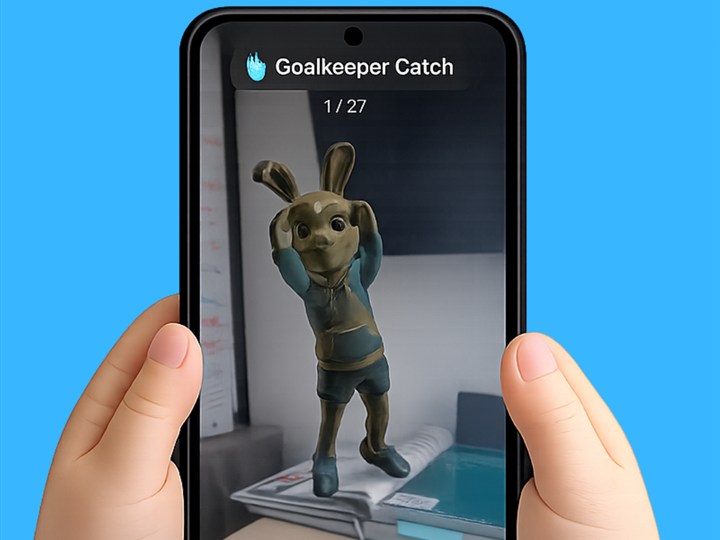
Copy 3D AR Exercise characters in your living room while practicing 'hopping, stretching, and dancing!'
At-Home Vocabulary & Routine Comparison Guide
| Daily Routine | Open Question (Harder) | Two-Choice Helper Question (Easier) |
|---|---|---|
| Kitchen & Mealtime | "What is Dada doing?" | "Is Dada cooking or sleeping?" → "Cooking!" |
| Bath & Brushing | "What are you doing?" | "Are you washing hands or eating soup?" → "Washing!" |
| Park & Backyard | "What is the doggy doing?" | "Is doggy running or reading a book?" → "Running!" |
| 3D AR Exercise Play | "What is the character doing?" | "Is he jumping or sleeping?" → "Jumping!" |
Frequently Asked Questions for Parents
At what age should a child start using '-ING' words like 'running' or 'eating'?
Most toddlers begin using their first '-ING' verbs (without 'is', such as 'Baby sleeping' or 'Me jumping') between 19 and 28 months, and add the helper verb ('Baby IS sleeping') between 28 and 36 months.
Why does my toddler answer 'Dog!' when I ask 'What is the dog doing?'
That means your toddler hears 'What...' and defaults to naming the object! Bridge it by validating the noun first and emphasizing the action: 'Yes, that's a dog! And look at his legs—the dog is RUNNING!'
Can I record our own family '-ING' action videos in Kid Speech AI?
Yes! Use Custom Photo & Video Flashcards to record 3-second clips of Dad waving, Big Sister jumping, or the family cat sleeping so your toddler learns '-ING' verbs from their favorite people!
Turn Everyday Play & Screen Time Into Real Words!
Try all 6 interactive vocabulary modes free for 7 days on Google Play ($9.99/mo or $79.99/yr after—cancel anytime in one tap).
▶ Start 7-Day Free Trial on Google Play