Why do toddlers suddenly melt down at 11:30 AM or 5:00 PM? Because young children are still learning to read their own internal body signals (interoception)—and even when they feel a rumbling tummy or dry mouth, words like "Hungry," "Thirsty," "Tired," or "Too hot" are invisible concepts that are much harder to learn than visible nouns like "Ball"! Kid Speech AI: Play & Learn ($9.99/mo or $79.99/yr with a 7-day free trial on Google Play) lets you create Custom Photo & Video Flashcards of your child's own water cup, snack bowl, and cozy blanket so they can connect body feelings to real words.
Why "Invisible" Body Feelings Need Visual Anchors
You can point to a dog or a shoe, but you can’t point to "thirsty" in mid-air! To help a 1- to 5-year-old learn body-state words, pair every internal sensation with a concrete gesture and a familiar household object: pat your tummy when modeling "Hungry—let’s get a snack!", touch your throat with your water cup for "Thirsty—sip of water!", and rest your cheek on your hands for "Tired—cozy pillow!"
3 Daily Habits That Teach Kids to Tell You What Their Body Needs
- Build a 5-Card "My Needs" Deck in Custom Family Flashcards: Open Custom Photo & Video Flashcards in Kid Speech AI and snap photos of your child's exact favorite water bottle ("Thirsty / Water"), snack plate ("Hungry / Eat"), bed pillow ("Tired / Sleep"), jacket ("Cold"), and band-aid/hug ("Hurt / Help").
- Narrate Your Own Body Signals Out Loud First: Toddlers copy what they see you do! Before you pour yourself a glass of water in the kitchen, tap your chest and announce dramatically: "Whoa, Mama is thirsty! My mouth feels dry—I need cold water!"
- Translate Fussiness Into a Two-Choice Rescue Question: When your toddler starts rubbing their eyes or whining before lunch, get down at eye level and link what you see on their body to the word: "I see you rubbing your eyes—is your body tired, or is your tummy hungry?"
Snap photos of your child's real water bottle, snack bowl, and pillow in Custom Family Flashcards!
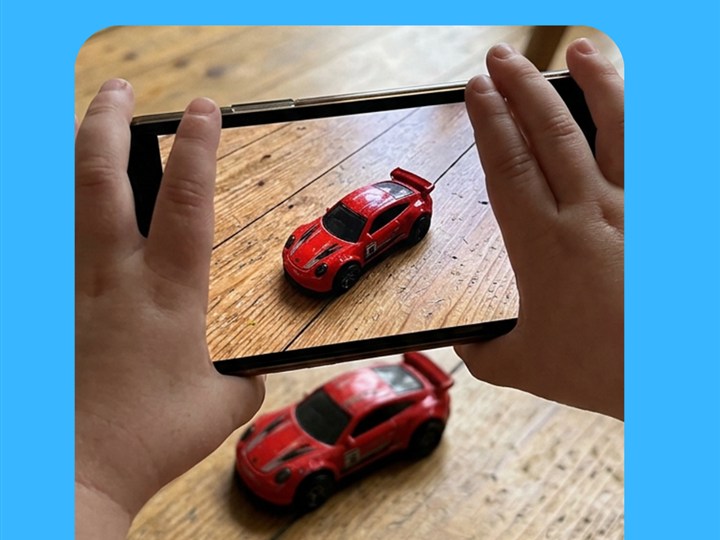
Let your child scan their water cup or snack with Live Camera Object Naming to reinforce functional requesting.
At-Home Vocabulary & Routine Comparison Guide
| Body Signal / Feeling | Gesture + Physical Clue | Exact Phrase to Model for Your Child |
|---|---|---|
| Hungry | Rubbing tummy / reaching for kitchen | "Tummy is hungry! Let's eat crackers!" |
| Thirsty | Pointing to sink / dry lips after running | "You're thirsty! Cold water please!" |
| Tired / Sleepy | Yawning / rubbing eyes / heavy legs | "Eyes are sleepy! Rest on pillow." |
| Too Hot / Sweaty | Red cheeks / pulling at sweater | "Whoa, so hot! Take jacket off!" |
| Hurt / Ouch | Holding knee or finger after a bump | "Ouch, knee hurts! Kiss and hug!" |
Frequently Asked Questions for Parents
Should I teach "Water"/"Eat" first, or "Thirsty"/"Hungry" first?
Start with the concrete noun or verb first ("Water!", "Eat!") for 1- to 2-year-olds, and pair the feeling word right alongside it ("You're thirsty—here's water!") so 2- to 5-year-olds naturally graduate to full sentences like "I'm hungry!"
What if my child says "Hurt" or "Ouch" when they are actually just mad or sad?
That is super common! Young kids often use "Ouch" for any uncomfortable emotion. Validate them gently: "Your heart feels ouch—you feel SAD that the tower fell! Let's build it again together."
How does Kid Speech AI help during high-energy play breaks?
Right after playing 3D AR Exercise or Real-Time Action Narration (jumping and clapping), grab a water cup together and model: "Big jumping made us THIRSTY! Time for water!"
Turn Everyday Play & Screen Time Into Real Words!
Try all 6 interactive vocabulary modes free for 7 days on Google Play ($9.99/mo or $79.99/yr after—cancel anytime in one tap).
▶ Start 7-Day Free Trial on Google Play