Speech has a natural heartbeat—every multi-syllable word (like "Ba-na-na" or "El-e-phant") and every sentence relies on rhythm, pacing, and volume! Research shows that toddlers and preschoolers who practice simple beat-keeping and stop-and-go rhythm games build stronger phonological awareness and clearer multi-syllable words. Kid Speech AI: Play & Learn ($9.99/mo or $79.99/yr with a 7-day free trial on Google Play) brings vocal rhythm and prosody to life with 27 distinct male, female, and expressive voices plus Pop-Up Video Flashcards!
How Tapping a Beat Helps Toddlers Say Multi-Syllable Words
When a toddler leaves out the middle syllable of a long word (saying "nana" for "ba-na-na" or "buh-fly" for "but-ter-fly"), their mouth is rushing past the rhythm of the word. Giving your child’s hands a physical beat to tap on an upside-down kitchen bowl or oatmeal drum slows their motor planning down so each syllable gets its own clear tap: "Ba (tap) - na (tap) - na (tap)!"
3 Kitchen Drum & Shaker Rhythm Word Games
- The "Fast, Slow... FREEZE!" Shaker Game: Fill a clean plastic water bottle with dry rice or pasta (screw the cap on tightly!) to make a homemade maraca. Shake it together while chanting "Shake, shake, shake... STOP!" Then contrast opposites: "Shake fast-fast-fast... now shake sloooow!"
- Drum Out the Syllables of Scanned Objects: Turn an empty oatmeal container or plastic mixing bowl upside down as a drum. Scan an object on the table for 2 seconds with Live Camera Object Naming in Kid Speech AI, then tap the drum once for every syllable together: "Ap - ple (2 taps)! Straw - ber - ry (3 taps)!"
- "Loud Lion Drum" vs. "Quiet Mouse Tap" With 27 Voices: Practice volume control by drumming a big beat for "LOUD boom, boom!" and tapping with one fingertip while whispering "Shhh... quiet tap, tap!"—then switch between bold and gentle voices in Kid Speech AI's 27-voice selector!

Switch across 27 expressive voices to help your child hear lively pitch, rhythm, and syllable stress!
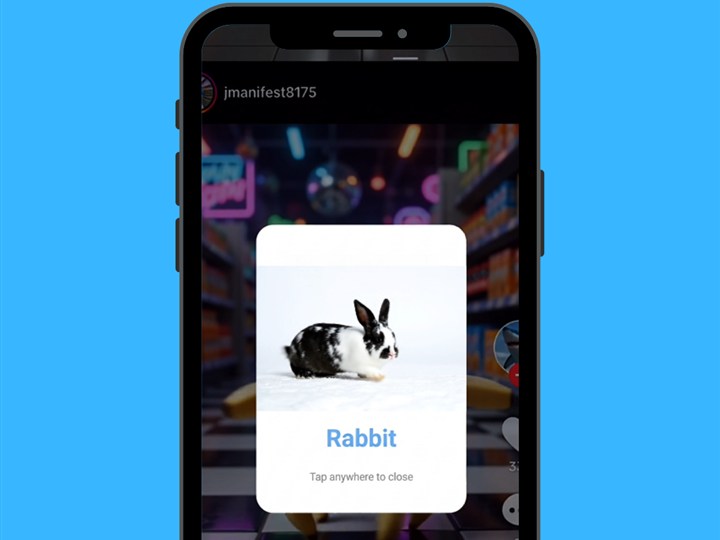
Pop-Up Video Flashcards pair real-world motion with clear, rhythmic verb narration.
At-Home Vocabulary & Routine Comparison Guide
| Rhythm Game Contrast | Words to Model on the Beat | Speech Skill It Builds |
|---|---|---|
| "Shake, Shake... STOP!" | Go, Stop, Wait, Ready, Again | Impulse control & listening for your verbal cue |
| "Fast Drum vs. Slow Drum" | Fast, Slow, Quick, Easy | Pacing speech rate so words don't blur together |
| "Loud Boom vs. Quiet Tap" | Loud, Quiet, Shhh, Big, Little | Vocal volume control & syllable stress |
| 1-2-3 Syllable Drum Taps | "Ba-by" (2), "Ba-na-na" (3) | Keeping every syllable in longer words |
Frequently Asked Questions for Parents
Do I need to buy special toy instruments for rhythm speech games?
Not at all! An upside-down plastic mixing bowl, two wooden spoons, an empty cardboard oatmeal tub, or a sealed Tupperware cup with 10 dry Cheerios inside make the best toddler drums and shakers.
Why does "Stop and Go" music play help toddlers who don't seem to listen?
Because freezing during a drum game makes listening a physical game! Your child eagerly watches your face and listens for the word "GO!" so they can bang the drum again.
How does clapping or drumming syllables help 4- to 7-year-olds get ready to read?
Breaking spoken words into syllable beats (phonological segmentation) is one of the foundational pre-reading skills taught in kindergarten and first grade!
Turn Everyday Play & Screen Time Into Real Words!
Try all 6 interactive vocabulary modes free for 7 days on Google Play ($9.99/mo or $79.99/yr after—cancel anytime in one tap).
▶ Start 7-Day Free Trial on Google Play