A toddler cannot understand what 'big' or 'heavy' means by looking at a single object in isolation—because a 'big' apple is still much smaller than a 'little' dog! The secret to teaching size and weight adjectives ('Big, Little, Tiny, Giant, Heavy, Light, Tall') is side-by-side comparison using two versions of the exact same item (a big spoon vs. a little spoon!). Pair hands-on comparisons with Kid Speech AI: Play & Learn ($9.99/mo or $79.99/yr with a 7-day free trial on Google Play) to scan both items and turn single nouns into 2-word descriptive phrases!
Why Toddlers Need 'Same-Object Pairs' to Understand Big vs. Little
If you show a 20-month-old an elephant picture and say "Big!" and then show a mouse picture and say "Little!", your child often thinks "Big" is just another name for elephant! To make the adjective click, keep the noun identical and change only the size: place Dad's big shoe right next to your toddler's little shoe. Now the contrast jumps off the floor!
3 Side-by-Side Size & Weight Games Using Household Items
- 1. The 'Dad's Big Shoe vs. Toddler's Little Shoe' Lineup: Put Dad's sneaker and your child's sneaker side by side by the front door. Scan both shoes for 2 seconds with Kid Speech AI's Live Camera Object Naming (`Shoe!`), then model the 2-word expansion: "Big shoe! And little shoe!"
- 2. The 'Heavy Milk Jug vs. Light Empty Cup' Lift Test: Let your toddler try lifting an unopened carton of milk or bag of apples with two hands while you groan playfully: "Ooh, heavy! So heavy!" Then hand them an empty plastic cup or feather: "Ooh, light! Easy!"
- 3. Build a 'Tall Tower' and 'Short Tower' with Blocks: Stack 8 blocks into a tall tower and 2 blocks into a short tower: "Look at the tall tower! 1, 2, 3... crash!"
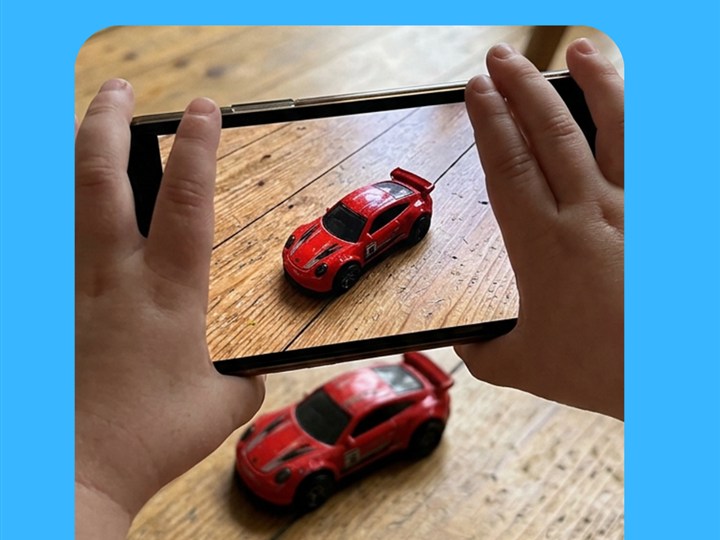
Scan Dad's big shoe and your toddler's little shoe side by side with 2-second Live Camera Object Naming!
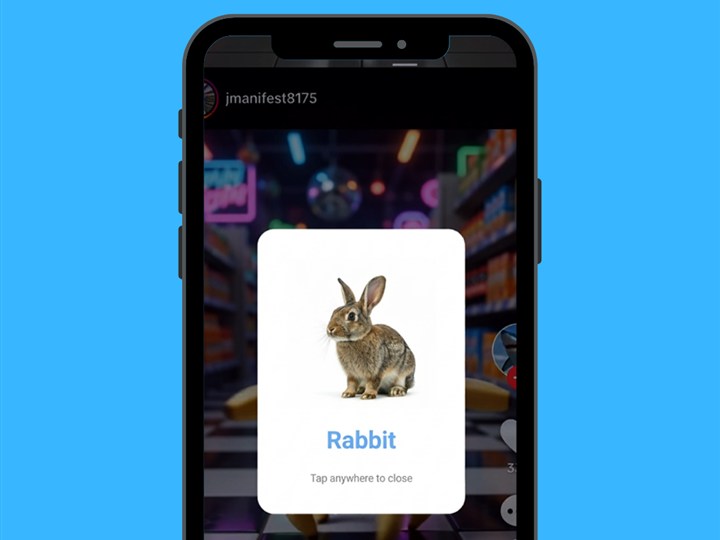
Use 3-Angle Pop-Up Image Flashcards to talk about big trucks, little birds, and tall giraffes.
At-Home Vocabulary & Routine Comparison Guide
| Adjective Pair | Best Household Pair to Compare | 2- & 3-Word Phrases to Model |
|---|---|---|
| Big vs. Little | Soup tablespoon vs. baby teaspoon | "Big spoon!", "Little spoon!", "Stir with big spoon" |
| Heavy vs. Light | Full water bottle vs. empty plastic cup | "Heavy bottle!", "Light cup!", "Help carry heavy!" |
| Tall vs. Short | 8-block tower vs. 2-block stack | "Tall tower!", "So tall!", "Short blocks" |
| Long vs. Short | Whole string cheese/noodle vs. tiny piece | "Long noodle!", "Short piece!", "Bite long cracker" |
Frequently Asked Questions for Parents
At what age do toddlers understand and say 'Big' and 'Little'?
Most toddlers begin understanding 'Big' vs. 'Little' around 18 to 24 months when shown two objects side by side, and start using 'Big' and 'Little' in two-word phrases ('Big truck!', 'Little doggy!') between 21 and 30 months.
Why does my toddler love extreme words like 'GIANT' or 'TINY'?
Exaggerating your voice—using a deep booming voice for 'GIANT / HUGE!' and a high squeaky voice for 'Teeny-tiny!'—gives your toddler an acoustic clue that matches the meaning of the word!
How can we practice size words during screen time?
Whenever a 3-angle Pop-Up Flashcard appears in Kid Speech AI, add one size word right before the spoken word (' Rabbit!' → 'Little rabbit!', 'Bus!' → 'Big yellow bus!').
Turn Everyday Play & Screen Time Into Real Words!
Try all 6 interactive vocabulary modes free for 7 days on Google Play ($9.99/mo or $79.99/yr after—cancel anytime in one tap).
▶ Start 7-Day Free Trial on Google Play