
Toddlers ages 12 to 36 months find nothing funnier than a favorite stuffed bear or noisy toy hiding in plain sight with its feet sticking out from under a pillow! Toy Hide-and-Seek naturally repeats the highest-value location and question words in early speech: 'Where is Bear?', 'Not there!', 'Under the pillow!', 'Peekaboo!', and 'Found it!' Pair your living-room search with Kid Speech AI: Play & Learn ($9.99/mo or $79.99/yr with a 7-day free trial on Google Play) by scanning every hidden toy you rescue together!
Why 'Half-Hidden' Toys Spark More Talking Than Fully Hidden Toys
For a 15- to 24-month-old, hiding a toy completely inside a closed closet is too hard—they lose track and wander off. Instead, use the "50% Peek Rule": tuck Teddy under a couch cushion with his ears sticking out, or put a dump truck behind the curtain with its wheels showing! Your toddler immediately spots the clue, feels like a genius detective, and bursts out with "There!" or "Bear!"
3 Living-Room Toy Hide-and-Seek Word Games
- 1. The 'Wrong Spot First' Comedy Search (Unlocks: No!, Not There, Look!): Even when you both see Teddy's ears sticking out from under the pillow, dramatically check an empty laundry basket first: "Is Bear in the basket? ... No! Not there!" Your toddler will giggle and point you to the pillow!
- 2. The 'Rescue & 2-Second Camera Scan' Reward: Hide 4 everyday objects around the rug (a shoe under a chair, a ball in a box, a spoon under a napkin, a car behind a pillow). Every time your child shouts "Found it!", let them scan the rescued item for 2 seconds with Kid Speech AI's Live Camera Object Naming!
- 3. Musical Hide-and-Seek with a Singing Toy or Phone: Hide a musical toy (or your phone playing a cheerful Pop-Up Video Flashcard in Kid Speech AI) under a light blanket so your toddler follows the sound and pulls the blanket "Off!"
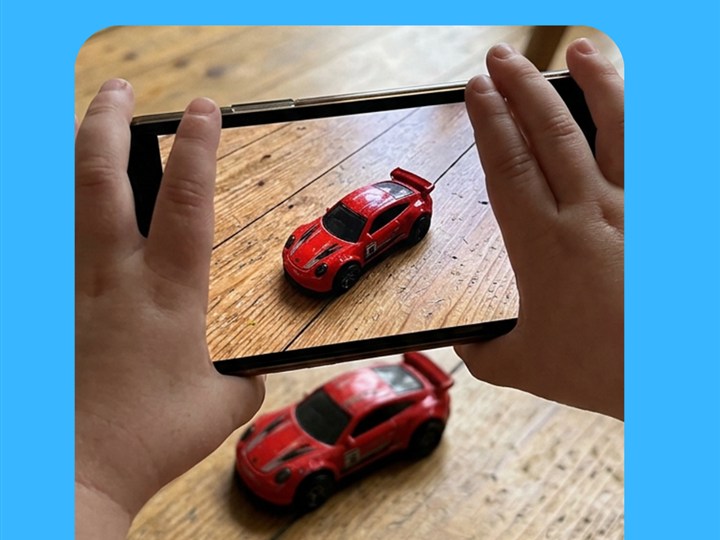
Scan every hidden toy your toddler finds with 2-second Live Camera Object Naming!
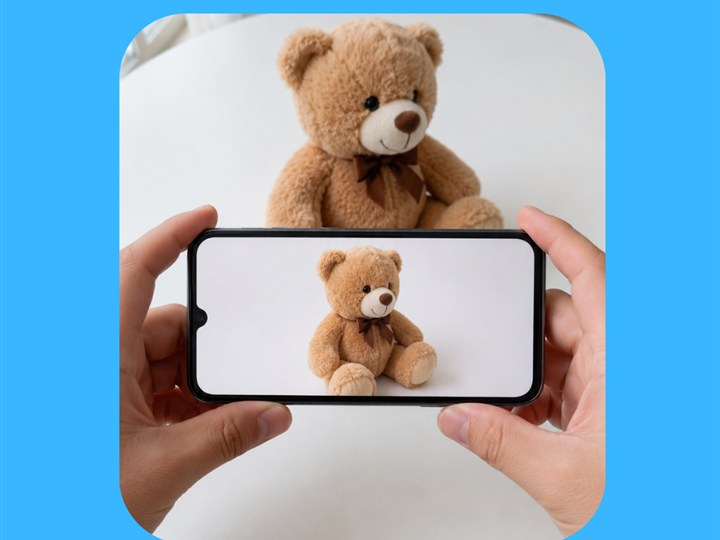
Use Live Action Narration to model full location sentences during living-room hide-and-seek.
At-Home Vocabulary & Routine Comparison Guide
| Stage of the Search | Gesture to Pair With Your Voice | Words & Phrases to Model |
|---|---|---|
| Starting the Hunt | Shrug shoulders with palms up | "Where is Bear?" / "Bear all gone!" |
| Checking Empty Spot | Shake head playfully + peek inside | "In the box? No! Not there!" |
| Spotting the Toy | Point with an excited gasp | "Look! Under the pillow! I see ears!" |
| Pulling Toy Out | Hold toy up high together | "Pull out! Found it! Hi Bear!" |
Frequently Asked Questions for Parents
Why does my toddler hide in the exact same spot every time we play hide-and-seek?
Until age 3 to 4, toddlers love repeating a winning script! When they hide behind the same curtain every time, use the exact same playful search phrases ('Is Maya under the table? No! Is Maya behind the curtain? FOUND YOU!') so they learn the whole dialogue.
How does toy hide-and-seek help my toddler answer 'Where?' questions?
Instead of testing your child with 'Where is the ball?', toy hide-and-seek lets you model the answer 10 times in a row ('In the box!', 'Under the chair!', 'On the couch!') so they learn what 'Where' actually means!
Can older siblings (ages 4–7) join this game?
Yes! Let your older child hide 3 toys around the room and give 'Hot / Cold' or preposition clues ('Look under something soft!') while your toddler scans each found toy with Kid Speech AI.
Turn Everyday Play & Screen Time Into Real Words!
Try all 6 interactive vocabulary modes free for 7 days on Google Play ($9.99/mo or $79.99/yr after—cancel anytime in one tap).
▶ Start 7-Day Free Trial on Google Play