Pretend play with stuffed animals and dolls unlocks a toddler's favorite 'caretaking verbs'—words like 'Eat, Drink, Sleep, Hug, Kiss, Wash, Cry, and Help!' Because your toddler gets to be the 'boss' taking care of Bear or Bunny, they feel zero pressure and talk 3x more! Pair your child's favorite stuffed animal with Kid Speech AI: Play & Learn ($9.99/mo or $79.99/yr with a 7-day free trial on Google Play) to scan Bear's cup, spoon, and blanket or watch Pop-Up Action Videos together.
Why 'Taking Care of Teddy' Sparks Words in Quiet Toddlers
Developmentally, symbolic pretend play and early spoken language grow out of the exact same part of a child's brain. When a toddler pretends that a wooden block is a cookie for their teddy bear, they are practicing symbolic thinking! Even better, when you ask what Teddy needs ("Oh no, Bear is crying! Is Bear hungry or tired?"), shy or hesitant talkers eagerly speak up to help their stuffed friend.
3 Stuffed Animal & Toy Vet Clinic Word Games at Home
- 1. The 'Bear's Snack Time' Routine (Unlocks: Eat, Drink, More, Yummy, Full): Sit your child's favorite stuffed animal at the coffee table with a real plastic cup and spoon. Scan the cup and spoon for 2 seconds with Live Camera Object Naming, then let your child pretend to feed Bear while modeling: "Feed Bear! Bear eats apple—crunch, crunch!"
- 2. The 'Boo-Boo & Band-Aid Vet Clinic' (Unlocks: Ouch, Hurt, Help, Kiss, Better): Put a small piece of painter's tape or a sticker on Puppy's paw or nose. Gasp playfully: "Uh-oh! Puppy has a boo-boo on his paw! Help Puppy! Give it a kiss—all better!"
- 3. Tuck-In & Nap Time for Dolls (Unlocks: Tired, Shh, Sleep, Blanket, Wake Up!): Let your toddler cover their stuffed animal with a small hand towel: "Bear is sleeping... Shh! One, two, three... WAKE UP Bear!"
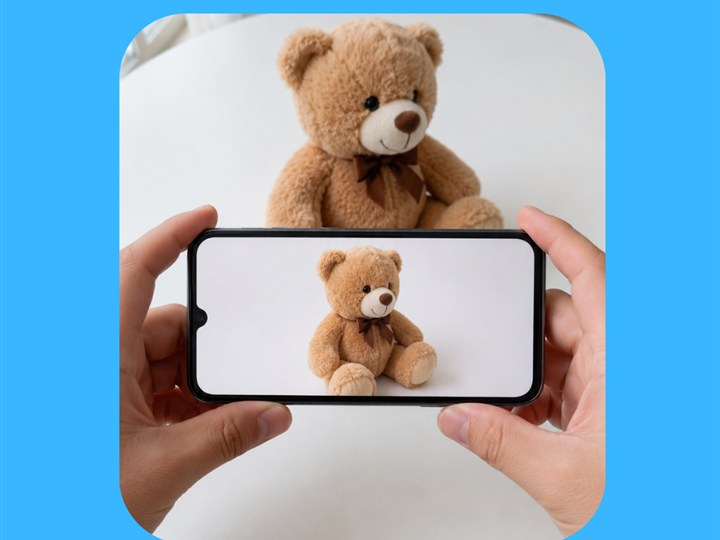
Live Action Narration models full action sentences like 'The bear is sitting' right from your camera!
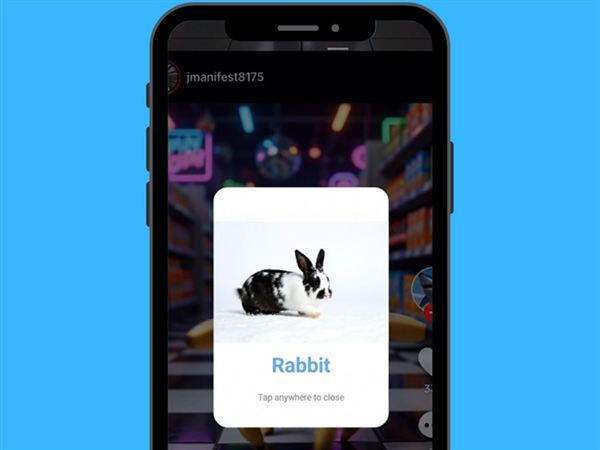
Pop-Up Video Flashcards bring everyday verbs like eating, drinking, and sleeping to life.
At-Home Vocabulary & Routine Comparison Guide
| Pretend Play Scene | Props to Grab at Home | Core Words & Phrases to Model |
|---|---|---|
| Feeding Teddy / Doll | Plastic bowl, spoon, empty cup, play fruit | "Bear hungry!", "Drink water", "More spoon", "All full!" |
| Toy Doctor / Vet Clinic | Band-Aids or tape, toy stethoscope, tissue | "Ouch! Boo-boo!", "Hurt foot", "Wipe nose", "All better!" |
| Bath & Brush Salon | Dry washcloth, hairbrush, empty soap bottle | "Dirty hands!", "Wash tummy", "Brush hair", "So clean!" |
| Bedtime Tuck-In & Wake-Up | Small pillow, hand towel blanket, book | "Night-night Bear", "Shh, sleeping!", "Wake up!" |
Frequently Asked Questions for Parents
At what age do toddlers start pretend play with stuffed animals?
Around 12 to 18 months, toddlers begin 'self-pretend' (pretending to drink from an empty cup) and single-action doll play (hugging or feeding a bear). By 24 to 36 months, they chain multiple actions together (feeding Bear, wiping Bear's mouth, and putting Bear to bed).
Should boys and girls both play caretaking games with stuffed animals?
Absolutely! Every toddler loves puppies, dinosaurs, bears, or action figures—and feeding a hungry dinosaur ('Dino eats broccoli—chomp!') teaches the exact same action verbs and empathy words.
How can I use Custom Flashcards for pretend play?
Snap a quick photo or 3-second video of your child's #1 favorite stuffed animal hugging or jumping and add it to Kid Speech AI's Custom Family Cards so their best friend pops up on screen!
Turn Everyday Play & Screen Time Into Real Words!
Try all 6 interactive vocabulary modes free for 7 days on Google Play ($9.99/mo or $79.99/yr after—cancel anytime in one tap).
▶ Start 7-Day Free Trial on Google Play