Many late talkers and energetic toddlers struggle to imitate words while sitting still at a table—yet start babbling, laughing, and shouting words the moment they jump, bounce, spin, or swing! Rhythmic full-body movement activates the brain's vestibular and motor-planning pathways while naturally exhaling air across the vocal cords. Kid Speech AI: Play & Learn ($9.99/mo or $79.99/yr with a 7-day free trial on Google Play) pairs 3D AR Exercise and Pose Detection with real-time spoken action words across 27 natural voices.
Why Rhythmic Jumping & Bouncing Wake Up the Speech Center
Speech is a whole-body motor skill that relies on breath support, rhythm, and timing. When a child jumps onto a floor pillow, bounces on a mini-trampoline, or swings back and forth, every landing gently compresses the diaphragm and creates a natural burst of breath for power words like "Jump!", "Boom!", "Up!", "Down!" and "Go!" Instead of fighting your child’s need to move, you can turn living-room movement into your best speech routine!
3 Full-Body Vestibular & Gross-Motor Word Games
- 3D AR Exercise & Pose-Detected Jumping: Open 3D AR Exercise or Real-Time Action Narration in Kid Speech AI and stand 5 to 8 feet back so the camera sees your child’s full body. As they jump, wave, or clap, the app narrates their exact movement in real time!
- The Cushion-Crash Countdown: Put two big couch cushions on the floor. Hold your child’s hands and chant with a rising pitch: "Ready... set... JUMP! BOOM!" After 4 or 5 rounds, pause right after "Ready... set..." and wait 3 seconds for your child to shout "Jump!" or "Go!"
- Jump-and-Scan Scavenger Relay: Place 3 everyday objects (a shoe, a ball, a cup) across the rug. Have your child hop like a frog to each item, then freeze for 2 seconds to scan it with Live Camera Object Naming.
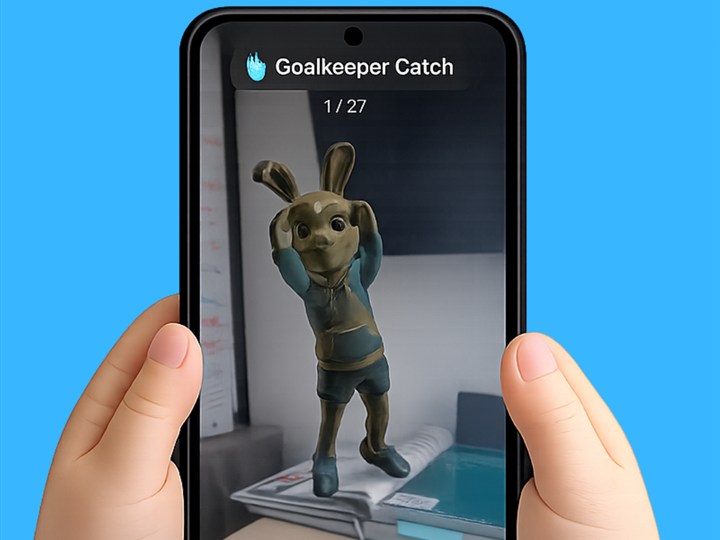
3D AR Exercise turns living-room jumping, reaching, and bouncing into interactive spoken word play.
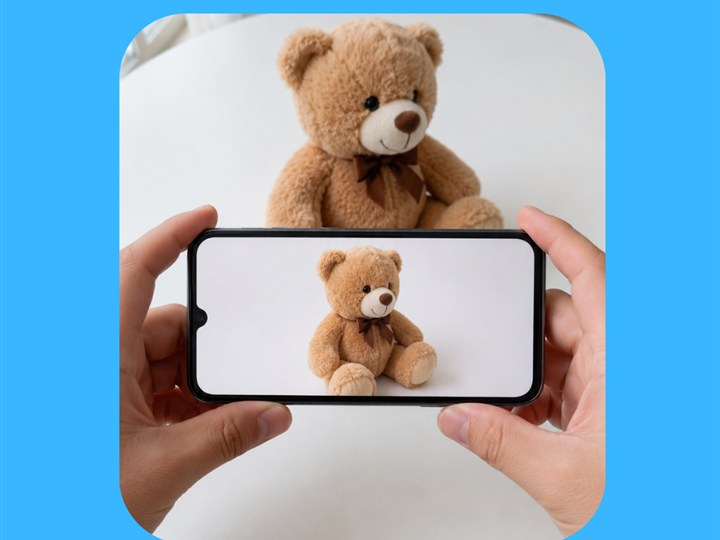
Real-Time Action Narration pairs your child's active movement with clear, rhythmic verb phrases.
At-Home Vocabulary & Routine Comparison Guide
| Movement Activity | Rhythmic Power Words | Two- & Three-Word Phrases to Model |
|---|---|---|
| Jumping on Cushions | "Jump!", "Up!", "Boom!", "Down!" | "Big jump down!", "Jump on pillow!", "Do it again!" |
| Swinging / Blanket Rocking | "Swing!", "Push!", "Stop!", "Wheee!" | "Push me high!", "Swing back and forth", "More push!" |
| Spinning & Freezing | "Spin!", "Turn!", "Freeze!", "Dizzy!" | "Spin around fast!", "Stop and freeze!", "Fall down!" |
| Hop-and-Scan Relay | "Hop!", "Look!", "Shoe!", "Ball!" | "Hop to the ball!", "Hold still—scan!", "Found the shoe!" |
Frequently Asked Questions for Parents
Why does my child vocalize so much more while jumping or swinging than at the table?
Vestibular input (bouncing, swinging, jumping) regulates a child's sensory system and synchronizes breathing with vocal fold vibration, making it physically easier to initiate sounds and words.
How far back should my child stand for Kid Speech AI's Pose Detection and AR modes?
Stepping back about 5 to 10 feet in a well-lit living room lets the camera track full-body actions like jumping, waving, and clapping while keeping your child moving safely.
How do I calm my child down after an energetic jumping word game?
Transition from fast jumping to slow "Heavy Work"—like pushing a laundry basket or curling up on the couch to flip through 3-angle Pop-Up Image Flashcards with a calm voice setting.
Turn Everyday Play & Screen Time Into Real Words!
Try all 6 interactive vocabulary modes free for 7 days on Google Play ($9.99/mo or $79.99/yr after—cancel anytime in one tap).
▶ Start 7-Day Free Trial on Google Play