If your toddler or preschooler repeats whole multi-word phrases, song lyrics, or intonational "scripts" (like "Ready, set, go!", "Time for bed!", or "Uh-oh, what happened?") instead of learning one word at a time, they may be a Gestalt Language Processor! Gestalt learners pick up language in whole musical chunks first and later break those chunks into flexible phrases and single words. Kid Speech AI: Play & Learn ($9.99/mo or $79.99/yr with a 7-day free trial on Google Play) models natural declarative phrases with Real-Time Action Narration and 27 expressive voices.
Two Ways Kids Learn Language: Analytic (Word-by-Word) vs. Gestalt (Chunk-by-Chunk)
Many parents are taught to expect children to say 1 word ("Milk"), then 2 words ("Want milk"), then 3 words. That’s called analytic language development. However, many children—both neurotypical toddlers and children with autism or speech delays—are Gestalt Language Processors. They fall in love with the melody and emotion of whole phrases first! When you honor their scripts and model short, mix-and-match phrases (like "Let’s get... the ball!" and "Let’s get... the cup!"), you help them unlock flexible, self-generated speech.
3 Parent Strategies for Supporting Gestalt Language Learners at Home
- Be a "Meaning Detective" Instead of Correcting: When your child says a memorized line like "Here comes the rescue truck!" whenever they want help opening a snack, acknowledge the real meaning warmly and model a natural usable script: "Yes! I need help! Let’s open it!"
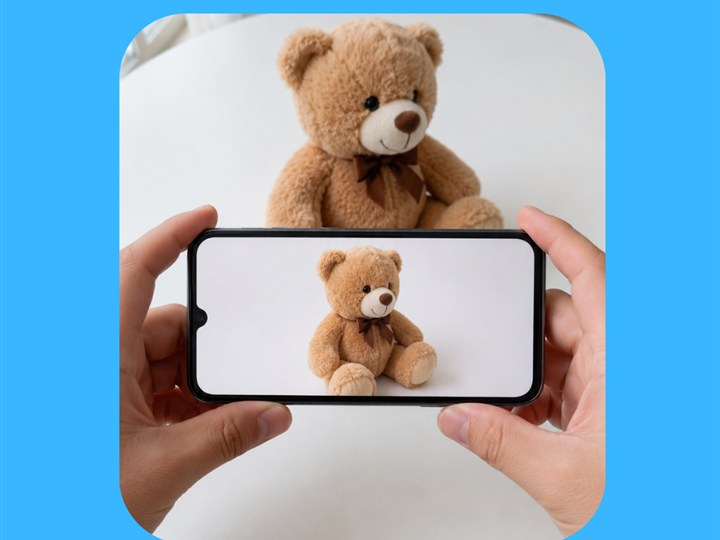
- Use "Mix-and-Match" Carrier Phrases With 2-Second Object Scans: Pick one musical carrier phrase (like "Look what I found—a ___!" or "Let’s play with the ___!") and scan 4 different real toys for 2 seconds using Live Camera Object Naming so your child hears how one slot changes while the melody stays the same.
- Switch From Rapid-Fire Questions to Real-Time Action Narration: Asking "What’s that? What are you doing?" often causes gestalt learners to echo your question right back. Instead, use Real-Time Action Narration to model first-person and declarative statements like "We are building a tower!" or "Look at that dog!"
Real-Time Action Narration models natural phrases instead of quizzing your child with questions.
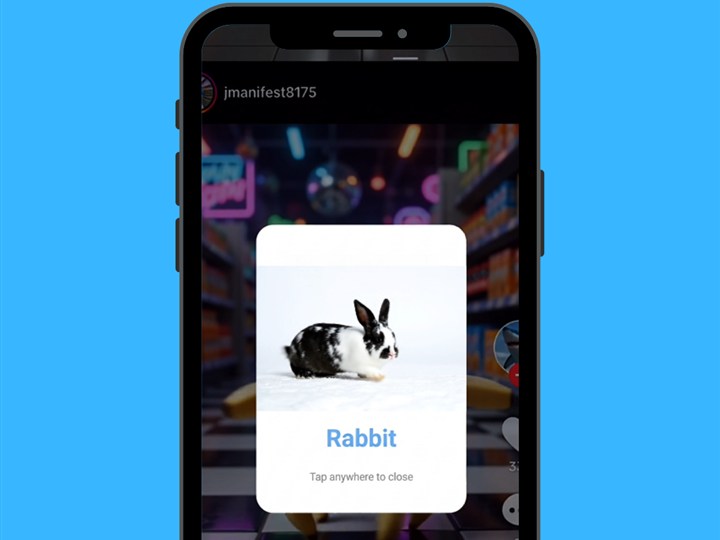
27 natural voices help children hear the same core words and actions across varied vocal melodies.
At-Home Vocabulary & Routine Comparison Guide
| Gestalt Stage | What Your Child Sounds Like | Best Phrases to Model at Home |
|---|---|---|
| Stage 1 (Whole Scripts) | "Ready, set, go!", "It's a beautiful day!" | Acknowledge meaning + model short emotional scripts: "Let's go!", "We did it!" |
| Stage 2 (Mitigated Chunks) | "Let's go outside" + "Let's go eat" | Mix-and-match carrier frames: "Let's get the ball", "Let's get the shoes" |
| Stage 3 (Single Words & 2-Word Combos) | "Big ball", "Doggy sleep", "Blue cup" | Scan real household objects for 2 seconds and pair nouns with attributes |
| Stage 4+ (Original Sentences) | "I want to play with the red truck" | Expand storytelling during play with Custom Photo & Video Flashcards |
Frequently Asked Questions for Parents
Should I tell my child to stop repeating lines from cartoons?
Never scold or shut down scripting—those phrases are genuine communication attempts! Instead, join their play, figure out the feeling or request behind the script, and model a short, natural phrase they can borrow next time.
Why does my child repeat my question ("Do you want water?") instead of answering "Yes"?
When you ask "Do you want water?" right before handing them the cup, a gestalt learner links that whole question melody with getting water! Instead, model the exact words from their perspective: "I want water!" or "Let's get water!"
How do Custom Photo & Video Flashcards help a gestalt language learner?
Recording short, real-life family videos and photos in Custom Flashcards lets you pair your family's real kitchen, dog, and toys with natural, functional phrases your child can use all day long.
Turn Everyday Play & Screen Time Into Real Words!
Try all 6 interactive vocabulary modes free for 7 days on Google Play ($9.99/mo or $79.99/yr after—cancel anytime in one tap).
▶ Start 7-Day Free Trial on Google Play