If you ask your 2-year-old 'Do you want milk?' and they reply 'Do you want milk?' while reaching for the cup, don't panic! Repeating your exact phrase (called immediate echolalia or gestalt scripting) means your child has strong auditory memory and is using your sentence as a whole package to say 'Yes, milk please!' The secret fix is to stop asking 'Do you want...?' questions and instead model the exact phrase FROM YOUR CHILD'S PERSPECTIVE ('Milk please!' or 'I want milk!') alongside First-Person Action Video Flashcards in Kid Speech AI: Play & Learn ($9.99/mo or $79.99/yr with a 7-day free trial on Google Play)!
Why Asking 'Do You Want Water?' Causes Toddlers to Echo the Question
When you hold a water cup and ask "Do you want water?" with an excited upward pitch at the end, a toddler who processes language in chunks hears that whole sentence as the name of the event! So next time they are thirsty, they walk up to you and say "Do you want water?" because that is the exact script they heard right before getting water!
3 Simple Script Shifts That Turn Echoing Into Independent Answers
- 1. Speak as If You Are Your Child's 'Inner Voice' ('I Want Apple!' Instead of 'Do You Want Apple?'): When your child reaches for an apple, don't ask a question. Model the exact first-person phrase they can actually use: "Apple please!" or "I want apple!" Now, when they repeat you, they are repeating the exact right self-advocacy sentence!
- 2. Use the 'Answer-Right-After-the-Question' Trick (Zero Pause for Echoing): If you want to teach how to answer a question, ask it and immediately answer it yourself in a slightly louder voice: "What is it? ... A ball!" or "Want milk? ... Yes, milk!"
- 3. Use First-Person POV Action Videos & Custom Cards in Kid Speech AI: Inside Kid Speech AI's Custom Photo & Video Flashcards and Pop-Up Action Videos, label cards with functional first-person phrases ("Help me open!", "More water please!", "Roll the ball!") so every phrase your toddler memorizes works immediately in real life.

Record Custom Flashcards with first-person phrases ('Help me open!', 'More milk please!') so echoed phrases work naturally!
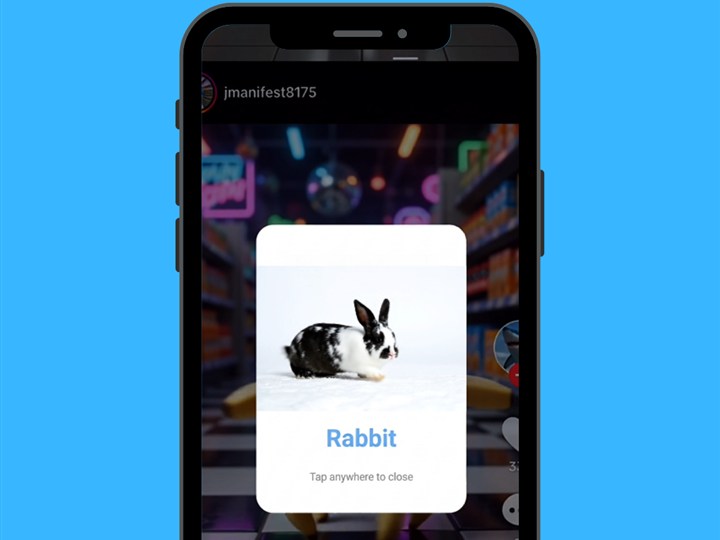
First-Person Action Video Flashcards show the action from your child's own eye-level perspective.
At-Home Vocabulary & Routine Comparison Guide
| Situation | Parent Question That Gets Echoed | First-Person Model to Say Instead |
|---|---|---|
| Child reaching for milk cup | "Do you want some milk?" | "Milk, please!" or "I want milk!" |
| Child struggling with a toy box | "Do you need help opening that?" | "Help me open!" or "Open box!" |
| Child getting hurt or bumped | "Are you okay? Did you fall?" | "Ouch! My knee!" or "Hug please!" |
| Child finished with dinner | "Are you all done eating?" | "All done eating!" or "Down please!" |
Frequently Asked Questions for Parents
Is repeating words (echolalia) normal in 2-year-olds?
Yes! Repeating words and short phrases is a normal stage of language development between 18 and 30 months as toddlers practice pronunciation and grammar. For children who are Gestalt Language Processors, echoing whole phrases is their natural Step 1 toward building flexible self-generated sentences.
How do I stop my toddler from repeating both options when I ask 'Milk or water?'
Put the option you know they want LAST (`'Water... or MILK?'`), and hold ONLY the milk cup forward as you say `'MILK!'` Toddlers almost always repeat the final word they hear!
Why do First-Person POV videos help toddlers who echo scripts?
First-person POV videos match what the child sees with their own eyes (their own hands rolling a ball or opening a box) to a simple 2- to 3-word functional action phrase ('Roll the ball!').
Turn Everyday Play & Screen Time Into Real Words!
Try all 6 interactive vocabulary modes free for 7 days on Google Play ($9.99/mo or $79.99/yr after—cancel anytime in one tap).
▶ Start 7-Day Free Trial on Google Play