In pediatric speech development, 'Receptive Language' (the words your toddler understands when they follow directions like 'Go get your shoes!') always grows ahead of 'Expressive Language' (the words they speak out loud). A toddler must hear and understand a word in context dozens of times before their mouth muscles can produce it! If your child's receptive understanding is strong but their expressive word count is lagging, Kid Speech AI: Play & Learn ($9.99/mo or $79.99/yr with a 7-day free trial on Google Play) bridges the gap using 2-second Live Camera Object Naming, 27 friendly voices, and low-pressure choice play!
Why the 'Receptive Bank' Must Fill Up Before Words Spill Out
Think of your toddler's brain like a piggy bank: every time you name a real object they are holding, point to a picture, or narrate an action, you drop a coin into their Receptive Language Bank. Once a specific word has enough 'comprehension coins'—and your child has a fun, low-pressure reason to say it—that word crosses the bridge into Expressive Language!
3 Playful Bridges From Understanding Words to Saying Words
- 1. Swap 'Go Get It' Commands for Two-Hand Vocal Choices: When you say "Go put your cup in the sink," your toddler proves great receptive language by doing it silently! To spark expressive speech, offer a choice where pointing isn't enough: hold the cup and spoon near your face and ask, "Do you want cup... or spoon?"
- 2. Bridge From Receptive Pointing to 2-Second Camera Naming: Ask your toddler a receptive 'Where is...' question in the living room ("Where is your ball?"). When they run over and grab it, immediately scan the ball for 2 seconds with Kid Speech AI's Live Camera Object Naming so they hear the spoken word across 27 cheerful voices right at their moment of success!
- 3. Use 'Sound-Effect Stepping Stones' Between Understanding and Full Words: If a full word like "Elephant" or "Airplane" feels too hard to say out loud, model an easy expressive bridge sound first ("Vroom! Up!" or "Stomp, stomp!") alongside Pop-Up Video Flashcards!
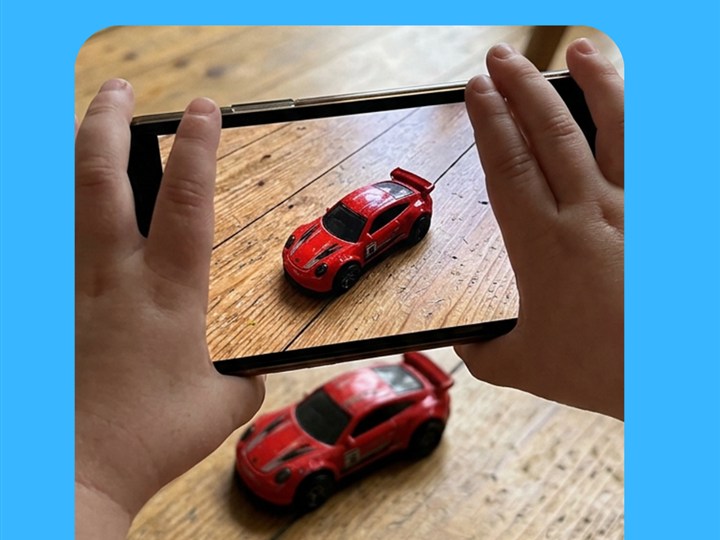
Let your toddler find the toy first (Receptive), then scan it for 2 seconds to hear and repeat the word (Expressive)!
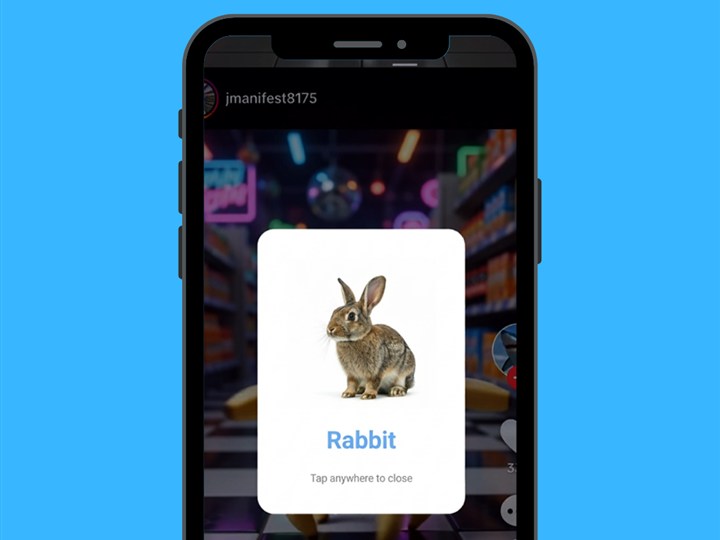
3-Angle Pop-Up Image Flashcards fill your child's receptive word bank and invite spontaneous imitation.
At-Home Vocabulary & Routine Comparison Guide
| Milestone Age | Typical Receptive Skill (Understanding) | Typical Expressive Skill (Speaking) | At-Home Bridge Game |
|---|---|---|---|
| 12–15 Months | Understands 50+ words & 'Come here / No' | Says 1 to 15 words + gestures & sounds | Custom Family Photo Cards ('Mama, Dada, Dog') |
| 18 Months | Follows 1-step directions without gestures | Says 15 to 50+ single words | 2-Second Live Camera Object Naming on real toys |
| 24 Months | Understands 300+ words & 2-step requests | Says 50 to 100+ words & 2-word phrases | Pop-Up Action Videos ('jump, eat, wash, go') |
| 30–36 Months | Understands 'Who, What, Where' & prepositions | Speaks in 3- to 4-word mini-sentences | Live Action Narration ('The bear is sitting') |
Frequently Asked Questions for Parents
Is it a good sign if my late-talking toddler understands everything I say?
Yes! Strong receptive language (following directions, pointing to pictures, bringing you objects you name) is one of the most encouraging developmental signs—it means the language foundation is already there and ready for expressive play bridges.
How can I check my toddler's receptive vocabulary without stressing them out?
Play the '2-Toy Rug Game': place a ball and a shoe on the rug and say 'Give Mama the shoe!' If they hand you the shoe without you pointing at it, that word is officially in their Receptive Bank!
Why do 27 voices in Kid Speech AI help toddlers cross into expressive speech?
Toddlers who feel shy imitating an adult's voice often light up and echo a cheerful, kid-friendly app voice during scheduled Pop-Up Flashcards and camera scans!
Turn Everyday Play & Screen Time Into Real Words!
Try all 6 interactive vocabulary modes free for 7 days on Google Play ($9.99/mo or $79.99/yr after—cancel anytime in one tap).
▶ Start 7-Day Free Trial on Google Play