Not all "WH-questions" are created equal! In child development, toddlers master "What" (things/actions), "Where" (places), and "Who" (people) between ages 2 and 3—long before "When," "Why," or "How" (which require abstract time and cause-and-effect thinking around ages 3.5 to 5). If your child repeats your question or freezes up, you can teach WH-questions effortlessly by whispering the answer as a 2-choice hint! Kid Speech AI: Play & Learn ($9.99/mo or $79.99/yr with a 7-day free trial on Google Play) makes "What," "Who," and "Where" visual with Custom Family Flashcards and Live Camera Object Naming.
Why Toddlers Confuse "What is that?" With "Where is it?"
Listen to how similar "What," "Where," and "Who" sound at the beginning of a fast sentence! If you hold up a shoe and ask, "Where does the shoe go?", a 2-year-old will often reply, "Shoe!" because they assumed you asked "What is that?" You can make the difference crystal clear by pairing each question word with a distinct hand gesture: hold both palms up for "What is it?", shade your eyes like a detective for "Where is it hiding?", and point to a face or family photo for "Who is that?"
3 Playful "What, Where & Who" Games (Zero Quiz Pressure!)
- "WHAT Is It?" — 2-Second Live Camera Object Naming: Practice "What" questions with real household items! Point to a toy on the rug, ask "What do you see?", and let your child scan it for 2 seconds with Live Camera Object Naming in Kid Speech AI so the app confirms the answer out loud!
- "WHO Is That?" — Custom Family & Pet Photo Flashcards: Open Custom Photo & Video Flashcards filled with pictures of Mama, Dada, Grandma, siblings, and your family dog. Cover the photo with a napkin, ask "Who is hiding under here?", and pull the napkin off together: "It’s Grandma!"
- "WHERE Did Bear Go?" — The Two-Spot Hide-and-Seek Game: Let your child watch you hide a favorite stuffed bear in an obvious spot (like half-sticking out from under a pillow or inside a laundry basket). Ask "Where is Bear? Is he on the chair... or under the pillow?"

Custom Family Photo & Video Flashcards are the #1 way to practice "Who is that?" and "What is Dada doing?"
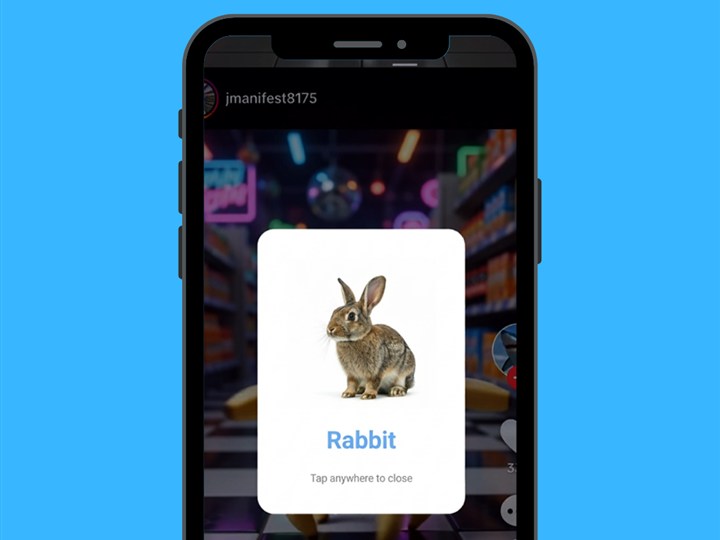
3-angle Pop-Up Image Flashcards build confident answers to "What is it?" and "What does it do?"
At-Home Vocabulary & Routine Comparison Guide
| Question Type & Age | What the Question Means | How to Give a Helpful 2-Choice Hint |
|---|---|---|
| "WHAT is that?" (18–30 mos) | Name of an object or action | "What is he eating—an apple or a banana?" |
| "WHERE is it?" (24–36 mos) | Location / place word | "Where is the ball—in the box or under the bed?" |
| "WHO is that?" (24–36 mos) | Person, character, or pet | "Who wears these big shoes—Mama or Dada?" |
| "WHY / WHEN?" (3.5–6 yrs) | Reason or time routine | "When do we brush teeth—at night or in the pool?" |
Frequently Asked Questions for Parents
What if my toddler just repeats my question back to me ("Where's the dog?")?
When a child echoes your question, they know a reply is expected but don't know how to formulate the answer yet! Model the question AND the answer yourself in two voices: "Where's the dog? ... Under the table! There he is—under the table!"
Why should I follow the "3 Comments for Every 1 Question" rule?
Too many back-to-back questions feel like an interrogation. Making 3 fun comments ("Look at your tall tower! The red block is on top! Boom, it wobbled!") before asking 1 question keeps conversation natural.
How do Pop-Up Video Flashcards help teach "What is he doing?" action questions?
Static pictures mainly teach nouns, whereas Pop-Up Video Flashcards show real movement in action so kids can answer "Running!", "Jumping!", "Eating!", or "Clapping!"
Turn Everyday Play & Screen Time Into Real Words!
Try all 6 interactive vocabulary modes free for 7 days on Google Play ($9.99/mo or $79.99/yr after—cancel anytime in one tap).
▶ Start 7-Day Free Trial on Google Play