Once a toddler knows 30 to 50 object names ("Dog, ball, apple, blanket"), adding texture and touch adjectives—like "Soft," "Bumpy," "Sticky," "Crunchy," "Smooth," and "Wet"—is the fastest way to spark two- and three-word descriptive phrases! Because young children explore the world with their fingertips and mouths, they immediately understand what "sticky hands" or a "soft puppy" feels like. Kid Speech AI: Play & Learn ($9.99/mo or $79.99/yr with a 7-day free trial on Google Play) pairs high-detail 3-angle real studio photos with live household object scanning!
Why Touch Words Stick Better Than Abstract Color Names
Think about how a 2-year-old experiences an orange versus a banana: the color name is just a visual label, but the peel feels bumpy, the inside feels wet and juicy, and sticky juice gets on their fingers! When you model a sensory adjective at the exact second your child touches a texture ("Ooh, sticky fingers—let’s wash in warm, wet water!"), the feeling in their hands anchors the word in their brain.
3 Everyday Texture & Touch Word Games at Home
- The "Mystery Pillowcase" Feel-and-Scan Game: Hide 4 everyday items with very different textures inside a pillowcase: a fluffy sock (soft), a plastic block or pinecone (hard/bumpy), a metal spoon (cold/smooth), and a crinkly wrapper (loud/crunchy). Let your child reach in, feel one item, pull it out, and scan it for 2 seconds with Live Camera Object Naming!
- Snack-Time "Crunchy vs. Squishy" Taste Test: Put two small snacks on your child’s tray—like a crunchy apple slice or cracker and a soft banana piece or berry. Exaggerate the sound and texture as you bite together: "Crun-chy cracker—crunch, crunch! Now soft, squishy banana!"
- The "Soft vs. Hard" Living Room Treasure Hunt: Walk around the house with Kid Speech AI and challenge your child to find 3 soft things (pillow, teddy bear, blanket) and 3 hard things (chair, cup, table) to scan for 2 seconds!
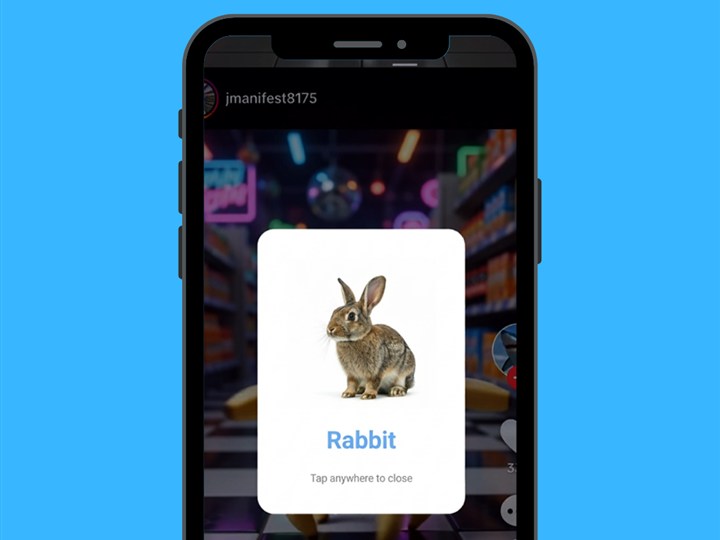
High-resolution 3-angle studio photos let kids see fluffy fur, smooth apples, and bumpy textures clearly!
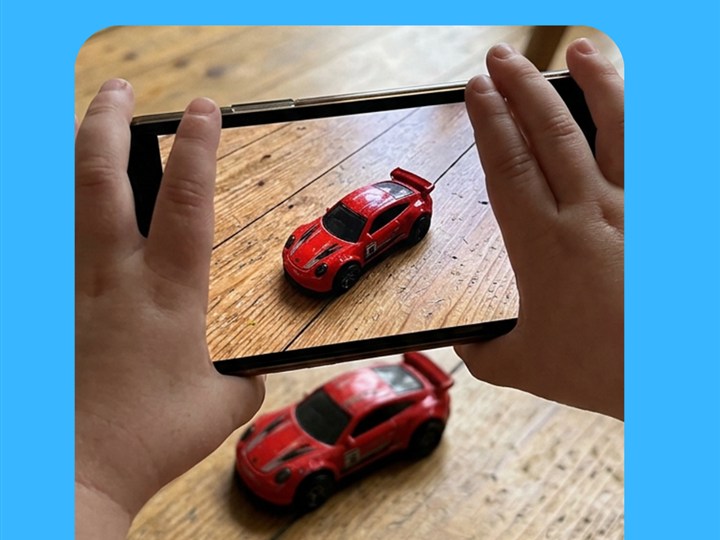
Go on a "Soft vs. Hard" scavenger hunt around the living room with 2-second Live Camera Object Naming.
At-Home Vocabulary & Routine Comparison Guide
| Sensory Texture Word | Household Objects to Touch | 2- & 3-Word Phrases to Model |
|---|---|---|
| Soft / Fluffy | Blanket, stuffed bear, sock, cat | "Soft blanket!", "Hug fluffy bear", "So cozy" |
| Hard / Bumpy | Wooden block, rock, orange peel, shoe sole | "Hard block!", "Bumpy ball", "Tap the hard table" |
| Sticky / Messy | Honey, tape, sticker, jelly hands | "Sticky hands!", "Tape is sticky", "Wash sticky off!" |
| Wet / Dry | Bath sponge, puddle, dry towel | "Wet hands!", "Squeeze wet sponge", "Dry with towel" |
Frequently Asked Questions for Parents
Why does my toddler love saying "Yucky!", "Sticky!", or "Messy!" so much?
Emotion-packed sensory words get a big reaction from parents! Use that enthusiasm to expand into problem-solving phrases: "Sticky hands! Need wet wipe! Wipe it clean!"
What if my child is sensory-sensitive and hates touching sticky or wet things?
Never force messy touch! Let them use a tool (a spoon, paintbrush, or dry cloth) and give them empowering words so they can advocate for themselves: "Too sticky! Wipe please! All clean!"
How can 4- to 7-year-olds play texture games?
Play "Close Your Eyes & Describe It": hand your preschooler a household object behind their back and ask them to give you 2 texture clues ("It's hard, smooth, and cold!") before guessing what it is!
Turn Everyday Play & Screen Time Into Real Words!
Try all 6 interactive vocabulary modes free for 7 days on Google Play ($9.99/mo or $79.99/yr after—cancel anytime in one tap).
▶ Start 7-Day Free Trial on Google Play