If your 14- to 30-month-old walks around the house delivering passionate "speeches" complete with hand gestures, eye contact, and rising question intonation—even though 80% of the syllables sound like a made-up alien language—speech-language pathologists call this "conversational jargon"! It is a very positive sign that your child has mastered the melody and social rules of conversation. Kid Speech AI: Play & Learn ($9.99/mo or $79.99/yr with a 7-day free trial on Google Play) helps you anchor that expressive melody to clear, individual household nouns and action verbs!
Why "Toddler Gibberish" Means They Mastered the Melody of Speech First
Children learn language in two parallel tracks: some toddlers are "word-first" (analytic) learners who say single clear words one at a time ("Ball," "Dog," "Up"), while other toddlers are "melody-first" (intonation) learners who imitate the full musical contour of adult sentences before they have all the individual consonant and vowel sounds to fill the sentence in! When your toddler babbles a long string like "Bada-bidoo-gaga-ball?" while holding up a ball, they are trying to sound just like you talking in a full sentence.
3 Ways to Help a "Melody-First" Toddler Plug Clear Words Into Their Jargon
- Catch the "One Real Word" Inside Their Jargon & Highlight It: Listen closely for the one real word or gesture at the end of their gibberish string, and reply with a short, crystal-clear 2-word phrase that matches what they meant: "Yes! Throw ball! Mama throw ball!"
- Shorten Your Own Sentences During Play (1 to 3 Words): Because melody-first toddlers try to copy the entire length of your sentence, speaking in long 12-word sentences makes them reply in 12 syllables of gibberish! When playing on the floor, model punchy 1- to 2-word phrases ("Open box!" "Big truck!" "Pour water!") that their mouth can easily copy.
- Anchor Single Words With 2-Second Live Camera Object Naming: Let your child hold Live Camera Object Naming in Kid Speech AI steady on one object for 2 seconds. Hearing a single, isolated, high-clarity word spoken across 27 friendly voices gives jargon talkers a clean target word to slot into their speech!
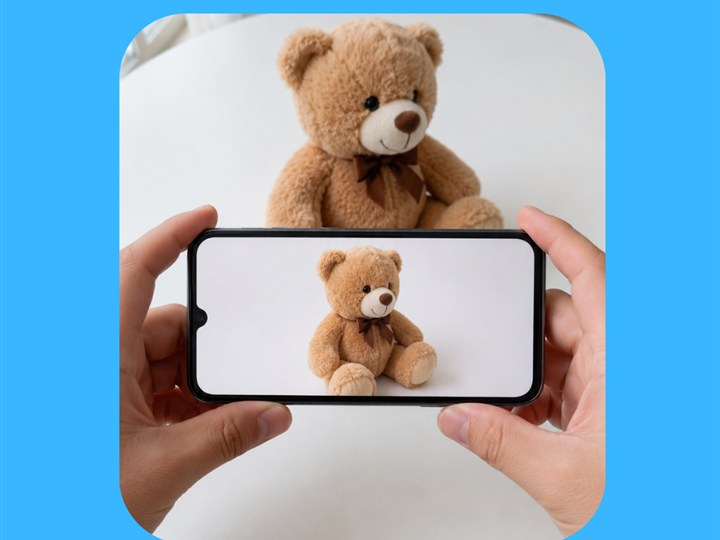
Real-Time Action Narration pairs live movement with clear, bite-sized spoken phrases.
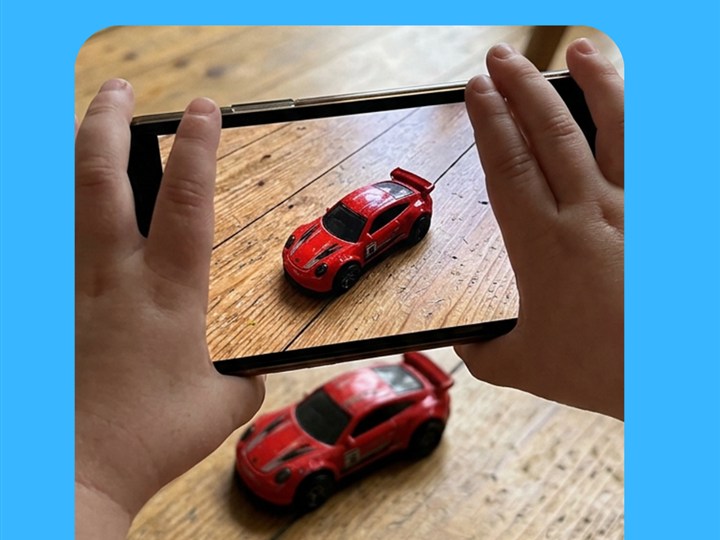
2-second Live Camera Object Naming isolates single household words clearly so toddlers can replace jargon with real nouns.
At-Home Vocabulary & Routine Comparison Guide
| What Your Toddler Does | Why They Are Doing It | How to Respond so Clear Words Grow |
|---|---|---|
| Chattering long gibberish strings with hand waves | Copying the melody of adult sentences | Reply warmly using a short 2-word phrase about what they're holding |
| Putting one real word at the very end of babble | Anchoring the main topic they care about | Echo that exact word back clearly 3 times: "Shoes! Blue shoes! Put shoes on!" |
| Getting frustrated when you don't understand | They have a specific idea in mind | Ask "Show me!" and walk together so they can touch or scan the item |
| Pointing at a toy while using question tone | Asking you for the specific label | Scan it for 2 seconds with Kid Speech AI and model the single word slowly |
Frequently Asked Questions for Parents
Is conversational gibberish (jargon) normal for an 18- or 24-month-old?
Yes! Blending expressive jargon with real words is very common between 14 and 24 months. As your child's bank of clear single words and two-word phrases grows between ages 2 and 3, the gibberish filler naturally fades away.
Should I pretend I understand their gibberish, or ask them to repeat it?
Treat their jargon as a real conversational turn! Look at what they are holding or looking at, nod warmly, and translate their gesture into a short 2-word sentence ("Oh, the truck broke! Fix truck!") without demanding "Say it right."
How do 3-Angle Pop-Up Image Flashcards help jargon talkers?
Tapping through 3-angle real studio photos slows down the pace of conversation to one clear picture and one clear spoken word at a time, helping melody-focused kids lock in crisp consonants.
Turn Everyday Play & Screen Time Into Real Words!
Try all 6 interactive vocabulary modes free for 7 days on Google Play ($9.99/mo or $79.99/yr after—cancel anytime in one tap).
▶ Start 7-Day Free Trial on Google Play