Over 80% of toddlers experience at least one ear infection, and lingering fluid behind the eardrum (otitis media with effusion) can make the world sound like you are talking underwater! When hearing is muffled by 20 to 30 decibels, toddlers hear loud vowel sounds clearly but miss quiet, high-pitched consonants like /s/, /f/, /t/, /k/, and /sh/. Kid Speech AI: Play & Learn ($9.99/mo or $79.99/yr with a 7-day free trial on Google Play) lets you pair crisp, distraction-free studio words across 27 natural voices with 2-second visual object naming.
Why Middle-Ear Fluid Makes Words Sound "Underwater" to a Toddler
Even when a toddler doesn't have a fever or ear pain, thick fluid can sit behind the eardrum for weeks after a cold. Low-frequency vowel sounds (like "ah" and "oo") travel right through fluid, but soft, whispery consonants at the beginning and ends of words (like the /s/ in "sock", the /f/ in "fish", or the final /t/ in "hat") get muffled. By getting down at eye level, turning off background TV noise, and emphasizing crisp consonant sounds, you help every word break through clearly!
3 "Clear Speech" & Listening Games for Toddlers After Ear Infections
- Get Within 3 Feet & Let Them See Your Lips: Whenever you model a word, get down face-to-face within 3 feet of your child in a quiet room. Seeing your lips press together for "Ball!" or your teeth touch your lip for "Fish!" gives your child visual clues that fill in any muffled audio gaps.
- Play the 6-Sound "Animal Ear Check" Game: Audiologists and speech therapists love using 6 playful sounds that span from low to high pitch: "Mmmm" (yummy food), "Oooo" (owl), "Ahhh" (airplane), "Eeee" (little mouse), "Shhh" (sleeping baby), and "Ssss" (snake). Play this 30-second game during morning play to see if your child notices and imitates both low and high sounds!
- Test Which of the 27 Voices in Kid Speech AI Clicks Best: Some toddlers with fluctuating ear fluid respond best to a warm lower-pitched male voice, while others perk up immediately for a bright, crisp female voice. Scan everyday objects for 2 seconds with Live Camera Object Naming and find your child’s favorite clear voice!
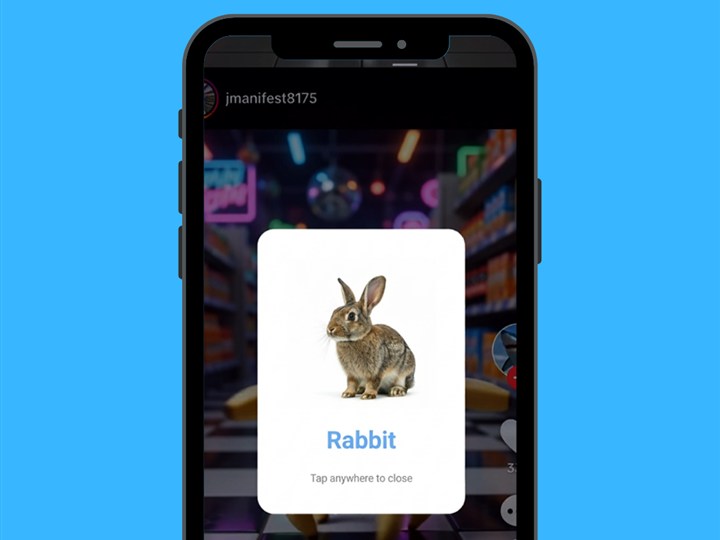
3-angle Pop-Up Image Flashcards pair uncluttered real photos with 27 clear, adjustable voices.
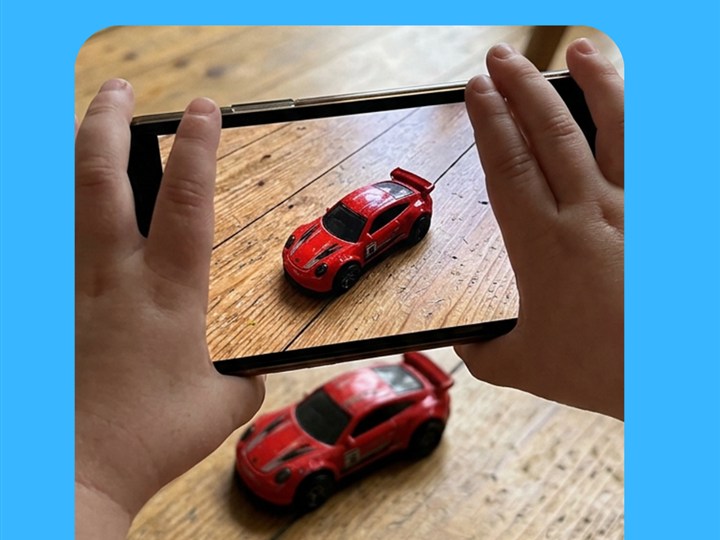
Scan real household objects in a quiet room so your child sees the object and hears the crisp spoken word together.
At-Home Vocabulary & Routine Comparison Guide
| Sound Type | Examples in Toddler Words | How to Make It Clearer at Home |
|---|---|---|
| Loud Vowels & Nasals (Easy to Hear) | "Mama", "No", "Up", "Moo" | Already loud—use these to build instant vocal confidence! |
| Front Lip Pops (/p, b, m/) | "Pop", "Ball", "Baby", "More" | Hold object near your mouth so your child sees your lips pop open |
| Quiet High Sounds (/s, f, sh, th/) | "Sun", "Shoe", "Fish", "Bath" | Turn off TV/music and gently stretch the sound: "Ssss-sock!" |
| Word-Ending Stops (/t, k, p/) | "Hat", "Book", "Cup", "Duck" | Give a gentle crisp release on the final letter: "Cu-P!" |
Frequently Asked Questions for Parents
Should we ask our pediatrician to check our toddler's ears if their speech stalls?
Yes! Whenever a toddler has a speech delay, stops using words they used to say, or seems to ignore you unless they are looking right at you, a quick ear and hearing check with your pediatrician or pediatric audiologist is always Step #1.
Why does background noise (like a TV or dishwasher) bother kids with ear fluid so much?
When hearing is slightly muffled, background hum blends right into spoken words! Turning off background TV during 10-minute play sessions makes your voice 3x easier to understand.
How do visual flashcards help while waiting for ear fluid to clear?
Pairing clear 3-angle real photos and 2-second camera scans with spoken words gives your child strong visual-auditory anchors during every play session.
Turn Everyday Play & Screen Time Into Real Words!
Try all 6 interactive vocabulary modes free for 7 days on Google Play ($9.99/mo or $79.99/yr after—cancel anytime in one tap).
▶ Start 7-Day Free Trial on Google Play