Walk into any pediatric speech therapy clinic and you will immediately spot a jar of bubbles, an uninflated balloon, and a few wind-up toys! Why? Because these "short-cycle cause-and-effect toys" last for 5 to 10 seconds and then naturally stop—giving your child 15 built-in reasons to look at you and say "More!", "Open!", "Blow!", "Pop!", or "Go!" Kid Speech AI: Play & Learn ($9.99/mo or $79.99/yr with a 7-day free trial on Google Play) pairs real-world motion and action verbs with 27 expressive voices.
Why Toys That "Stop on Their Own" Spark 5x More Words
When a toddler plays with a battery-powered toy that flashes and sings for 10 minutes straight, they don’t need you at all—they just watch passively. Bubbles, balloons, and wind-up toys are different: the bubbles pop in 5 seconds, the tightly closed bubble jar needs adult hands to open, and the balloon zooms across the room and lands flat! Every single cycle creates a joyful pause where your child wants you to keep the magic going.
3 Classic Speech-Therapy Toy Routines You Can Play at Home
- The Tightly Closed Bubble Jar ("Open! Dip! Blow! Pop!"): Screw the lid onto the bubble jar just tightly enough that your toddler can't open it alone. Hand them the jar and wait 3 seconds until they look at you or hand it back, then model: "Open! Open bubbles!" On the next rounds, pause before blowing ("Take a big breath... BLOW!") and pop them together ("Pop! Pop! Pop!").
- The Balloon "1, 2, 3... LET GO!" Launch: Blow up a balloon halfway, pinch the neck closed with your fingers (don't tie it!), and hold it up by your cheek: "Big, big, big... Ready, set... GO!" Watch it zoom across the room, run together to pick it up, and wait for your child to say "More!", "Blow!" or "Go!"
- Pair Real Motion With Pop-Up Video Flashcards & Action Narration: After popping bubbles or chasing the balloon, use Real-Time Action Narration or Pop-Up Video Flashcards in Kid Speech AI so your child hears action verbs like jump, catch, pop, and throw modeled across 27 fun voices.
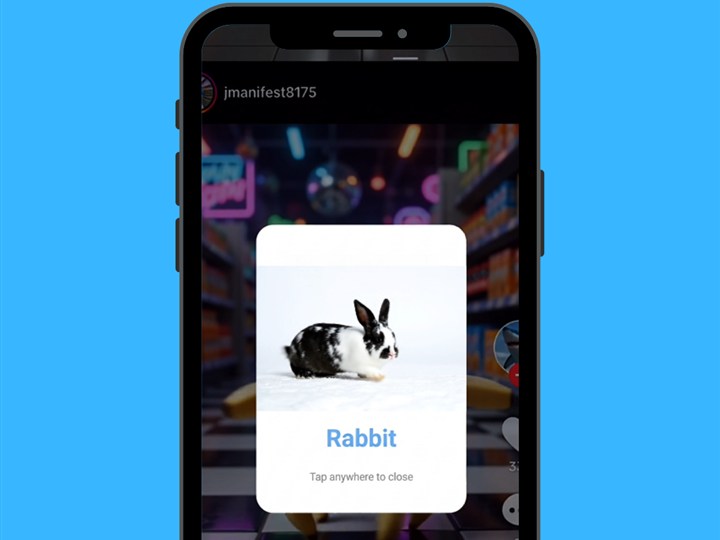
Pop-Up Video Flashcards show real-world action verbs in motion with 27 friendly voices.
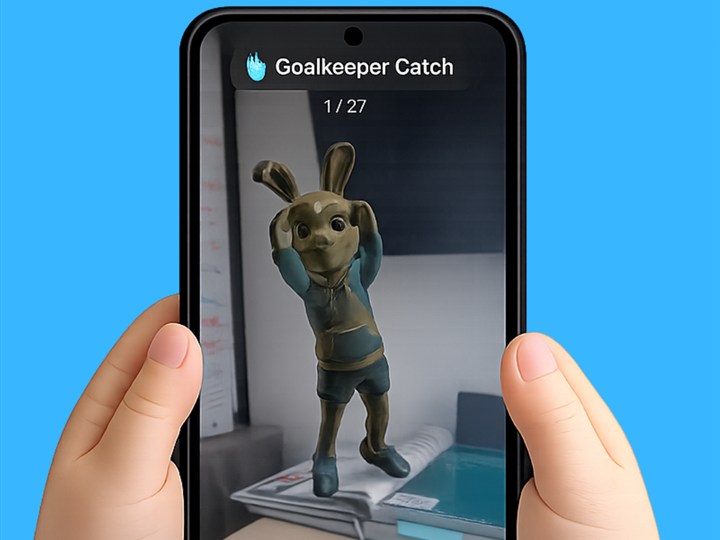
3D AR Exercise lets energetic kids jump, reach, and pop interactive targets right in the living room!
At-Home Vocabulary & Routine Comparison Guide
| Step in the Bubble/Balloon Routine | Single Words to Model | 2- & 3-Word Phrases to Model |
|---|---|---|
| Handing Over the Closed Jar | "Open!", "Help!", "More!" | "Open bubbles please", "Help me open" |
| Dipping Wand & Inhaling | "Dip!", "In!", "Blow!" | "Dip in water", "Big breath—blow!" |
| Floating in the Air | "Up!", "Big!", "Look!" | "Big bubble up high!", "Floating down" |
| Popping on Floor / Nose / Foot | "Pop!", "Gone!", "Wet!" | "Pop on nose!", "Pop with foot!", "All gone!" |
Frequently Asked Questions for Parents
Why is "Pop!" often one of a late talker's very first words?
The /p/ sound in "Pop!" is a bilabial stop made right on the front of the lips—your child can clearly see your lips press together and burst open, making it much easier to copy than back-of-throat sounds like /k/ or /g/.
How many times should I pause before blowing the bubbles?
Keep the game fast and joyful! Pause for just 2 to 3 seconds with an expectant smile and raised eyebrows. Even if your child only makes a vowel sound or lip pop at first, reward them immediately by blowing a big cloud of bubbles!
Are uninflated balloons safe for toddlers to hold alone?
Always keep uninflated balloons in the adult's hand as a supervised "partner toy" (pinching and launching it yourself while your child chases it) to prevent choking hazards.
Turn Everyday Play & Screen Time Into Real Words!
Try all 6 interactive vocabulary modes free for 7 days on Google Play ($9.99/mo or $79.99/yr after—cancel anytime in one tap).
▶ Start 7-Day Free Trial on Google Play