To help a 2-year-old start putting two words together (like "Big ball", "More water", or "Bear sitting"), parents should pair everyday nouns with live action verbs and descriptive words. Kid Speech AI: Play & Learn accelerates phrase building with Real-Time Action Narration ("The bear is sitting"), Pop-Up Video Flashcards, and Live Camera Object Naming.
Why Action Words Are the Secret Key to Two-Word Phrases
Many 2-year-olds know dozens of object names—like ball, cup, dog, shoe, and car—but haven't started linking words together into phrases yet. Why? Because you cannot build a sentence out of nouns alone!
To put two and three words together, your toddler needs action verbs (sitting, running, eating, jumping, opening) and describing words (big, red, more, my). Once a toddler hears actions narrated alongside familiar toys, single words naturally expand into short phrases.
How Real-Time Action Narration Teaches Phrase Building
Inside Kid Speech AI: Play & Learn, the Real-Time Action Narration mode uses AI camera vision to describe what is happening right in front of your child. Instead of only labeling a noun ("Bear"), it models natural sentences such as "The bear is sitting."
- Step 1 — Point at Your Child's Play Scene: Place a teddy bear on a chair or roll a toy truck across the table and point the camera.
- Step 2 — Listen to the Action Sentence: Let one of the 27 friendly voices describe the action out loud.
- Step 3 — Repeat the 2-Word Core: Echo the key two-word phrase for your toddler ("Bear sitting!" or "Truck rolling!") so it's easy for them to imitate.
Reinforcing Action Verbs During Screen Time
Static picture cards can show a noun, but verbs require motion. That is why Kid Speech AI includes Pop-Up Video Flashcards. While your 2-year-old watches their favorite videos or plays a game, short real-motion video flashcards automatically pop up on screen—showing real animals and actions in motion so verbs stick effortlessly.
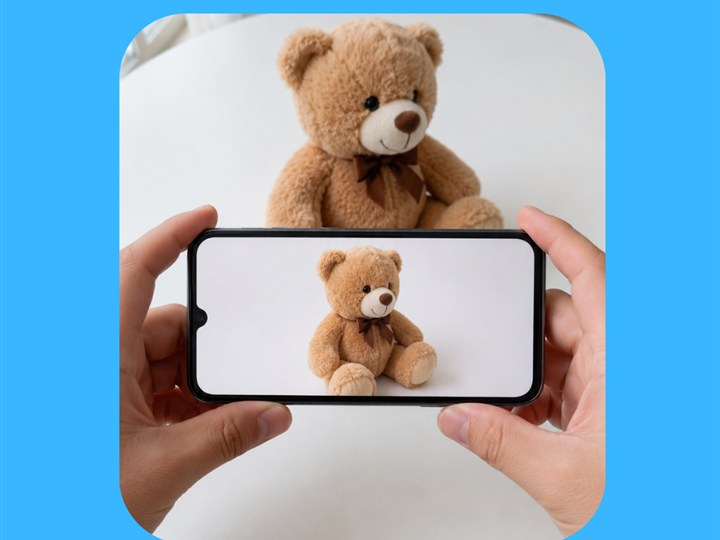
Real-Time Action Narration: Point your camera at play scenes to hear complete action descriptions like "The bear is sitting."
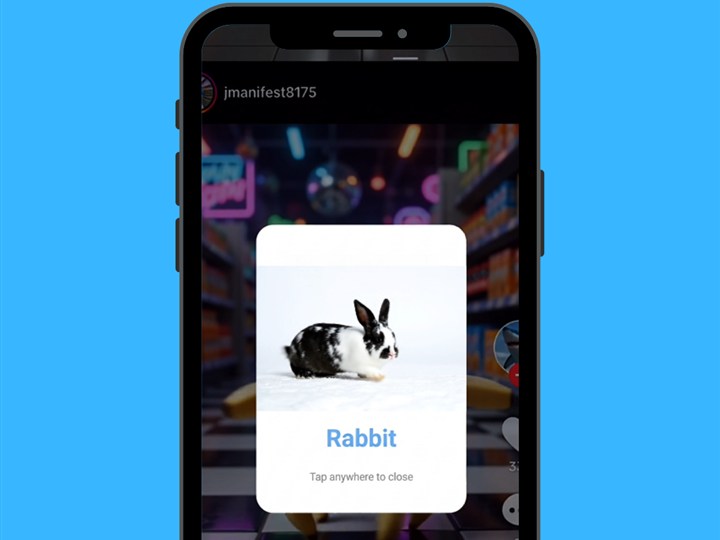
Pop-Up Video Flashcards: Motion video clips pop up over screen time so 2-year-olds see real actions in motion while hearing the word.
The "1-Word to 2-Word" Toddler Phrase Formula
| If Your 2-Year-Old Says... | You Model This 2-Word Phrase | Kid Speech AI Mode to Use |
|---|---|---|
| "Bear" | "Bear sitting!" or "Soft bear!" | Real-Time Action Narration (Camera Mode) |
| "Car" | "Red car!" or "Fast car!" | Real-Time Object Naming (Camera Mode) |
| "Rabbit" | "Rabbit hopping!" or "White rabbit!" | Pop-Up Image & Pop-Up Video Flashcards |
| "Dada" | "Hi Dada!" or "Dada home!" | Custom Photo & Video Flashcards |
| "Jump" | "Jump up!" or "Bunny jump!" | Interactive 3D AR Exercise Mode |
Frequently Asked Questions
How can I help my 2-year-old combine two words at home?
Use the "One-Word-Up" strategy: whenever your 2-year-old says or points to a single noun like "ball", immediately respond with a two-word combination adding an action or descriptor, such as "Roll ball!" or "Big ball!"
Why are video flashcards better than static pictures for 2-year-olds?
Two-year-olds need action verbs (jumping, eating, running, sitting) to build sentences. Pop-Up Video Flashcards in Kid Speech AI show real movement so toddlers immediately understand action words.
Does Kid Speech AI track which words my 2-year-old has practiced?
Yes! The built-in On-Device Parent Word Log automatically records practiced words and categories privately on your phone so you can watch your toddler’s vocabulary grow week by week.